Exclusive 2026 access is here. Shop now!

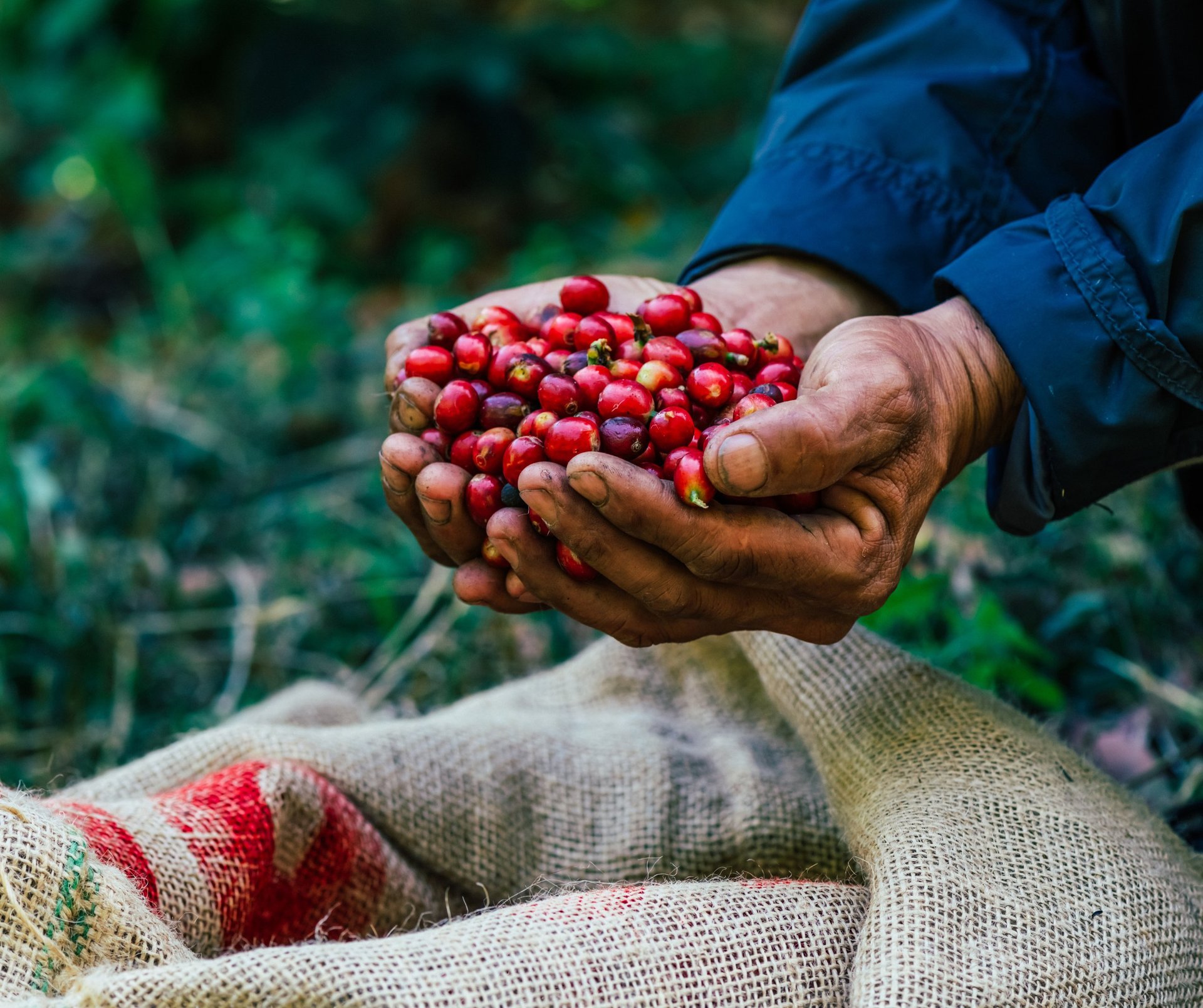
Arabica
From the Highlands of Madagascar to Your Cup: The Art of Growing Arabica
Discover how Malagasy farmers cultivate exceptional Arabica coffee using ancient techniques and agroforestry. Kanto Coffee brings you beans grown with care at 1,800 metres.
10/8/20253 min read


At Kanto Coffee, we believe great flavour starts long before the roast. It begins in the soil, at altitude, and in the hands of farmers who treat the land as a partner. Today, we want to take you on a journey to the high plateaus of Madagascar, one of the most unique and historically rich origins for Arabica coffee.
A Brief History of the Big Island
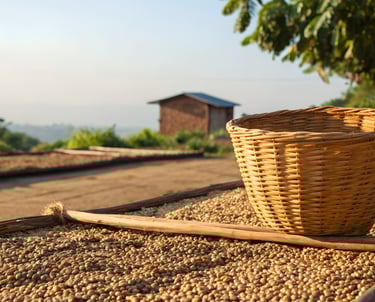
Coffee first arrived in Madagascar in the 18th century, introduced by traders from the Mascarene Islands. While Robusta dominates the lowland plains today, Arabica found its true home in the central highlands. In regions like Itasy, cultivated at 1,800 metres above sea level, Arabica Elita has long been considered one of the island’s finest offerings.
But here is the reality: despite its potential, Arabica remains a niche crop in Madagascar. It has faced challenges—extensive farming methods, limited infrastructure, and a lack of structured supply chains. Yet, for farmers committed to quality, the rewards are significant. Studies show that with improved cultivation and processing, Malagasy Arabica can compete with the world’s top speciality coffees.
How to Plant Coffee the Malagasy Way
So, how is this remarkable coffee grown? The most forward-thinking farmers in Madagascar are reviving a technique that is as good for the earth as it is for the cup: agroforestry.
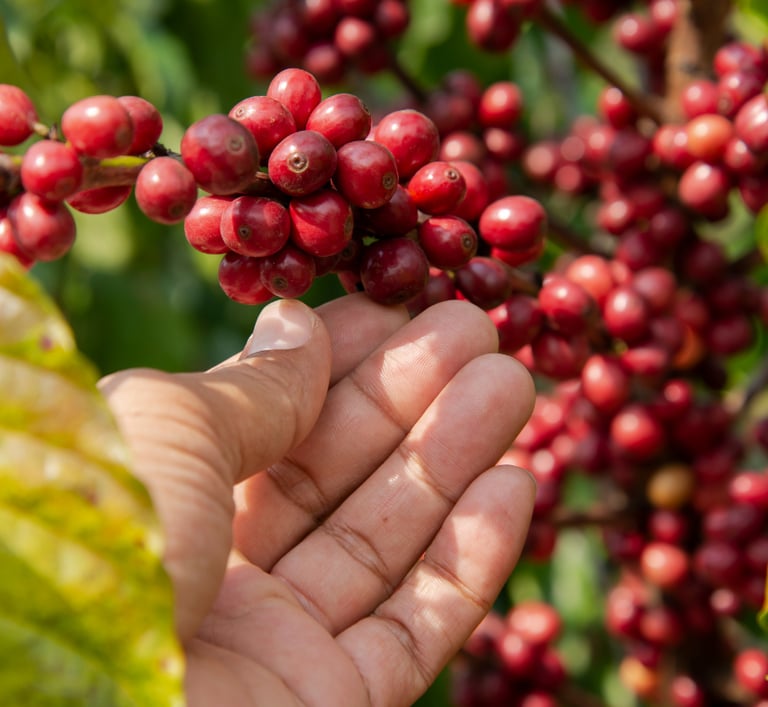
In the district of Arivonimamo II, planters have been combining Arabica coffee with acacia trees since 2011. This is not decoration. The acacia provides essential shade for the coffee cherries, protecting them from the intense tropical sun. More importantly, it fixes nitrogen in the soil, nature’s slow-release fertiliser. When the acacia sheds its leaves and debris, that organic matter is collected and turned into compost, creating a beautiful, closed-loop system.
The Timeline to a Perfect Cherry
If you are considering planting Arabica, patience is not just a virtue; it is a requirement.
· Year 1-3: The focus is on establishment. Intercropping with maize, upland rice, or legumes helps farmers utilise the land while the coffee matures.
· First Harvest (Year 3): Farmers can expect approximately 1 to 1.8 kg of fresh cherries per tree. This is just the beginning.
· Peak Production (Year 5-6): When the trees are established and the soil is healthy, yields can reach 5 to 6 kg of cherries per foot.
Beyond the Bean: Organic Practices
The same communities prioritising agroforestry are also turning to biological insecticides and liquid compost made from plant debris. These methods protect watersheds and maintain biodiversity, proving that high yield and environmental stewardship can coexist.
Why This Matters for Your Morning Brew
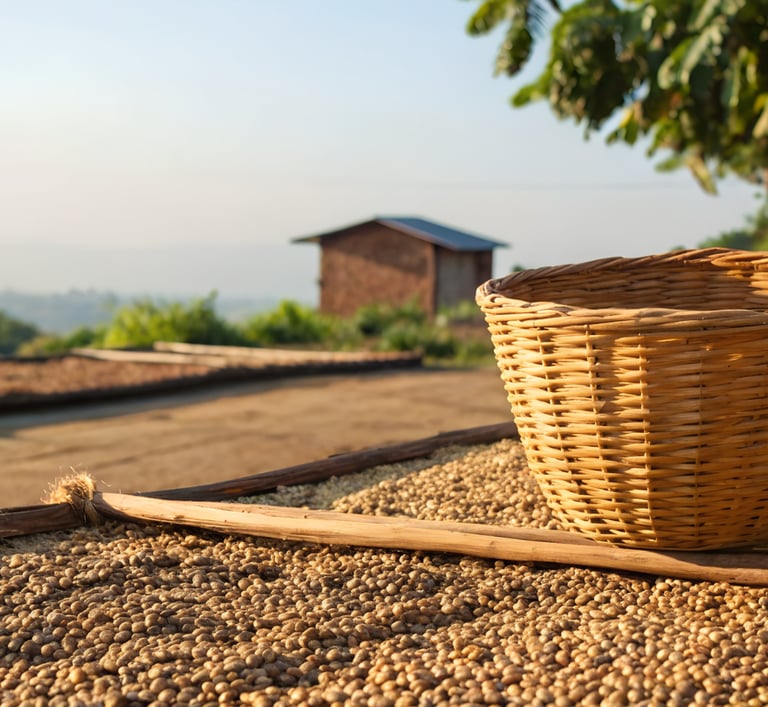
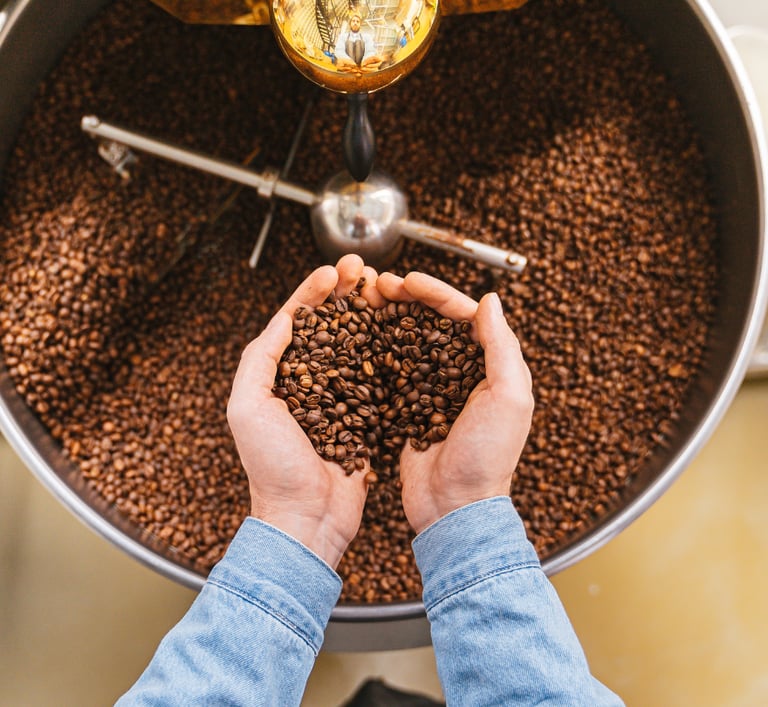
When you drink coffee from Kanto Coffee, you are tasting this story. The untapped potential of Madagascar’s highlands, the volcanic soil, the high altitude, and the traditional knowledge of its farmers result in beans with distinctive organoleptic profiles. With careful processing, these beans shed their defects and reveal clean, complex flavours worthy of the “speciality” designation.
Madagascar may no longer be the African export giant it was in the 1930s, but a quiet revival is underway. We are proud to partner with this legacy, bringing you coffee that is cultivated with intention, history, and respect for the land.
Interested in trying our latest single-origin lot from the highlands? Visit our shop or stop by the roastery to taste the difference altitude makes.
The most generous cup of coffee on the island. We are a Madagascar Coffee Roasting Company.
Condition
Newsletter
info@kantocoffee.shop
+261 379 930 417
2026 © Kanto Coffee Madagascar Ltd. All rights reserved.




Antananarivo, Madagascar




Kanto Coffee Madagascar Ltd
Contact